
Proud to Partner with AHAC
Lifemere is now a supplier for Australian Health and Aged Care (AHAC), expanding access to life-changing dysphagia solutions across Australia.
A Milestone in Australian Healthcare
This partnership marks a pivotal step in advancing dysphagia care, coinciding with the Aged Care Act 2024 coming into effect on 1 November 2025—bringing Royal Commission recommendations to life for safer, higher-quality aged care.
As an AHAC platinum sponsor and preferred supplier, Lifemere is dedicated to making RoseCup solutions more accessible to healthcare facilities, aged care homes, and families nationwide, upholding our compassionate, evidence-based approach to easing swallowing challenges.

%25255B1%25255D.avif)

The Lifemere Story - A Legacy of Care
The RoseCup wasn't born in a boardroom - it was born from a family's search for hope. When Rose Palmada developed dementia and then dysphagia, watching her struggle to eat and drink safely was heartbreaking. Traditional solutions weren't enough. She was placed on palliative care, but her family refused to give up.
Through determination, innovation, and love, a breakthrough was achieved. Rose began eating and drinking again - thriving, laughing, singing, and even walking. The RoseCup was created to honour her journey and ensure other families wouldn't have to watch their loved ones suffer needlessly.
Today, Lifemere continues this mission with our RoseCup system - the world's first adaptable device specifically designed for optimising the dispensing of thin and high-viscosity liquids for people with dysphagia.
The RoseCup System - A Living, Adaptable Solution
The RoseCup isn't just a cup - it's a comprehensive system that adapts to changing needs and personal preferences. Designed with medical precision and family compassion, each component works together to make mealtimes safer, more efficient, and dignified.
Key Benefits

Flow and bolus volume control
Supports safe bolus transfer
Restores mealtime dignity
Stimulates natural swallowing reflexes
Self-controlled intake reduces carer dependency
Featured Products
.webp)
Complete Kit
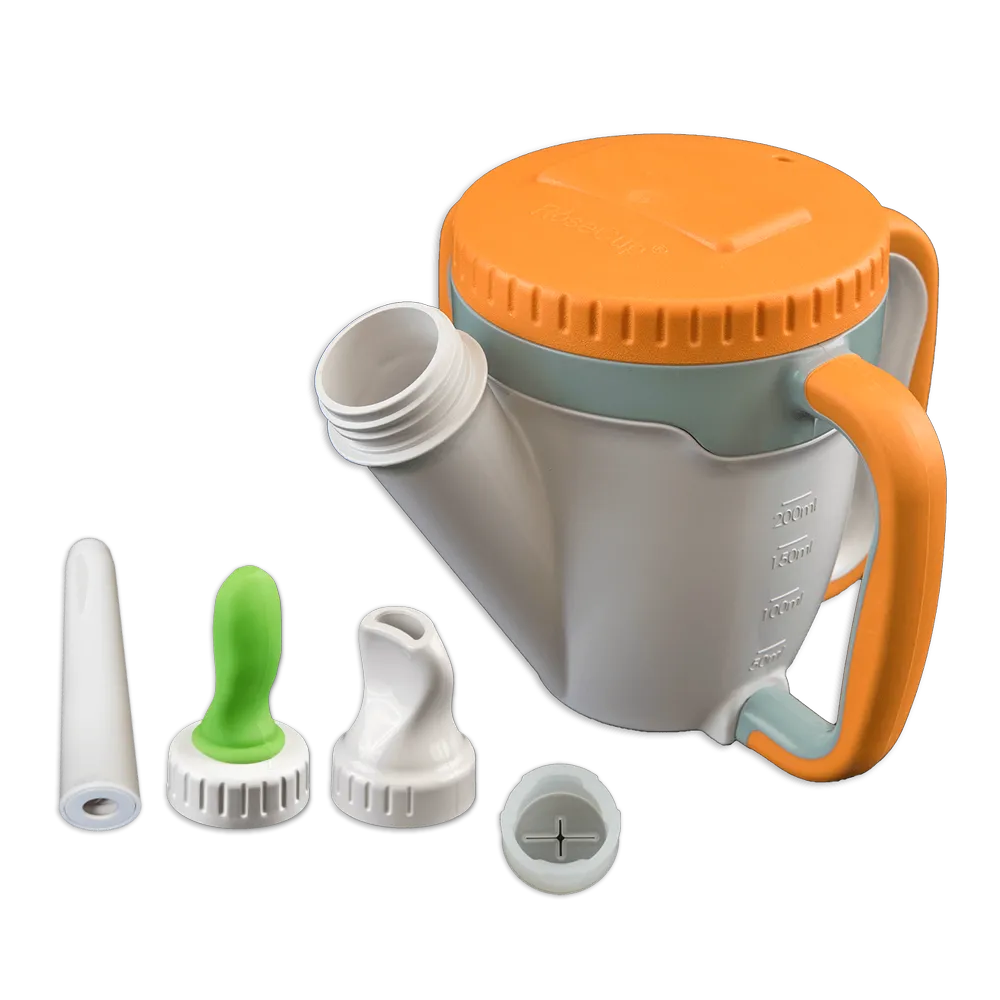
RoseCup and Flow Control Package
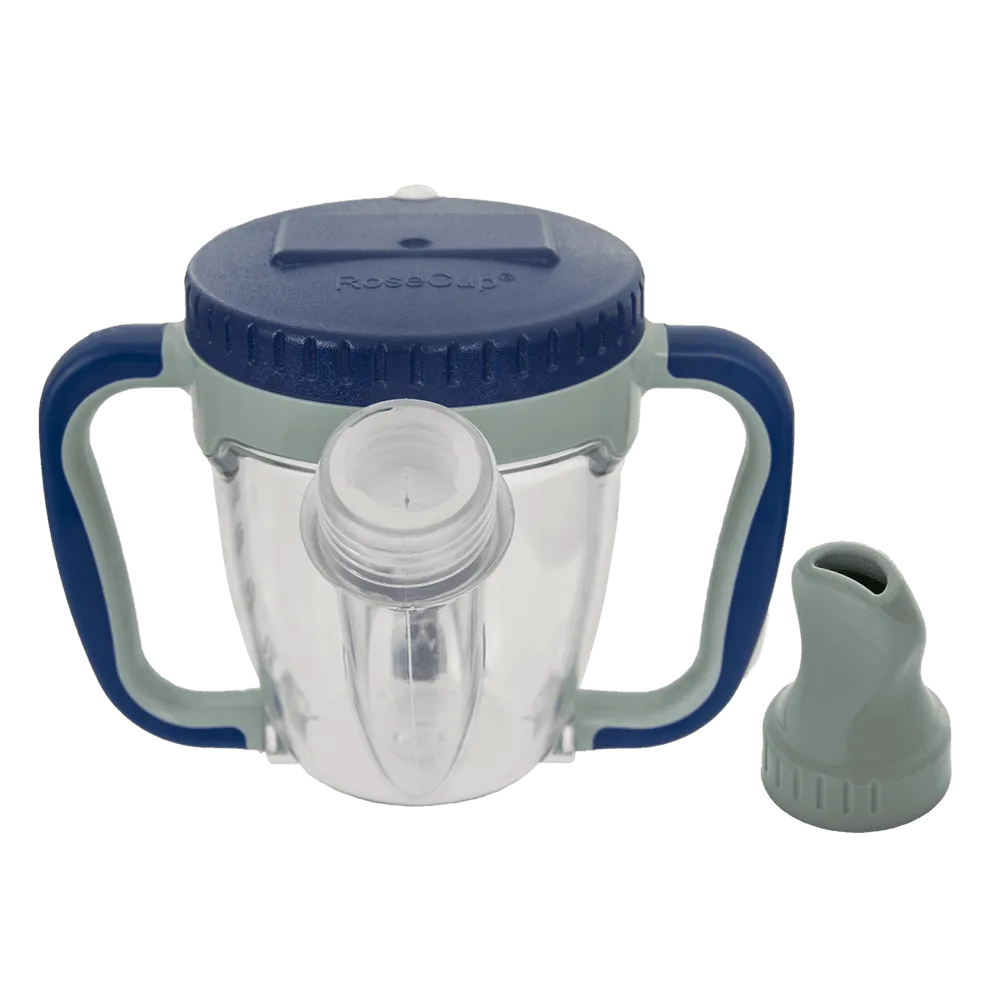
RoseCup Sipper with Flow Control Insert
Shop Other Products
Explore the full Lifemere range of assistive cups and accessories designed for dignity and independence.
Why Healthcare Professionals Choose Lifemere
IDDSI Platinum Sponsor
Medically Validated
Adaptable System
Australian Innovation
Comprehensive Support
Common Questions About Dysphagia and the RoseCup
About Speech Pathologists and Dysphagia
Q: How do speech pathologists assess dysphagia?
Speech pathologists use various assessment tools including clinical swallow evaluations, instrumental assessments, and the IDDSI Framework to determine the safest consistency of food and fluids for each individual. They work closely with families and care teams to develop comprehensive management plans.
Q: What role do speech pathologists play in dysphagia management?
Speech pathologists are essential team members who assess swallowing function, recommend appropriate food and fluid textures, provide swallowing therapy, and help select assistive devices like the RoseCup system that can improve safety and independence.
Q: When should I consult a speech pathologist about swallowing difficulties?
Consult immediately if you notice choking when eating or drinking, coughing during meals, difficulty swallowing pills, food getting stuck, recurrent chest infections, weight loss, or voice changes after eating. Early intervention can prevent serious complications.
About Dysphagia and Swallowing Difficulties
Q: What exactly is dysphagia?
Dysphagia is difficulty swallowing that can occur at any stage of the swallowing process. It can affect people of all ages but is more common in older adults, especially those with neurological conditions, dementia, or following stroke.
Q: What are the main risks of untreated dysphagia?
The primary risks include choking that can lead to sudden death, dehydration, malnutrition, aspiration pneumonia (when food or liquid enters the lungs), and social isolation due to embarrassment around mealtimes. These complications can be life-threatening if not properly managed.
Q: How does the RoseCup help with different types of dysphagia?
The RoseCup system's adaptable design addresses various dysphagia challenges through flow control, bolus size regulation, and swallowing stimulation. Different attachments accommodate thin liquids (IDDSI Level 0) through to extremely thick liquids (IDDSI Level 3).
Using the RoseCup System
Q: How do I know which RoseCup configuration is right?
We recommend starting with a speech pathologist assessment to determine your specific needs. Our team can then help match the appropriate RoseCup configuration to your IDDSI level requirements and personal preferences. The system's adaptability means you can modify it as needs change.
Q: Is the RoseCup suitable for both adults and children?
The RoseCup is suitable for adults and children from 4 years and up. Both adults and children can be assisted by a carer using the 3rd handle on the cup.
Q: How do I clean and maintain the RoseCup?
All RoseCup components are designed for easy cleaning with standard dishwashing methods. The durable materials can withstand repeated sterilisation if required in healthcare settings. Please use the set of Brushes provided after every meal. Use the small brush for cleaning the attachments.
Q: Can the RoseCup be used in healthcare facilities?
Absolutely! Many aged care facilities, hospitals, and rehabilitation centres use the RoseCup system. We offer bulk purchasing, staff training, and ongoing support specifically designed for healthcare environments. Personalisation of the Cup is achieved by writing a name on the identification tab on the lid.
Q: What support is available after purchase?
Lifemere provides comprehensive support including user guides, video tutorials, telephone assistance, and ongoing consultation to ensure optimal outcomes. AHAC members receive priority support and access to our healthcare facility specialists.