
Caring for the Carer: When Love Becomes Exhausting
Caring is often described through the language of love, commitment and resilience.

Caring is often described through the language of love, commitment and resilience.
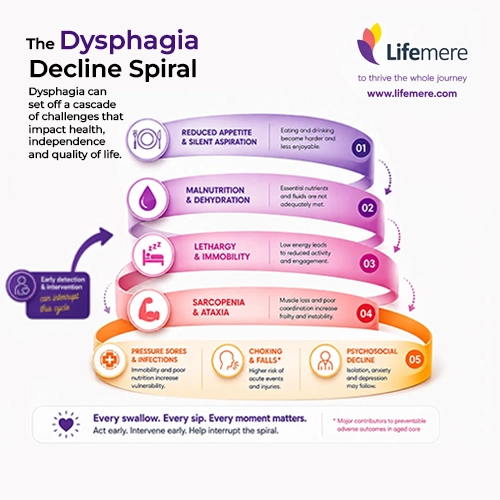
When a resident struggles to drink, the problem may not be the prescribed fluid. It may be the interface between the resident, the cup, the caregiver, and the clinical plan.

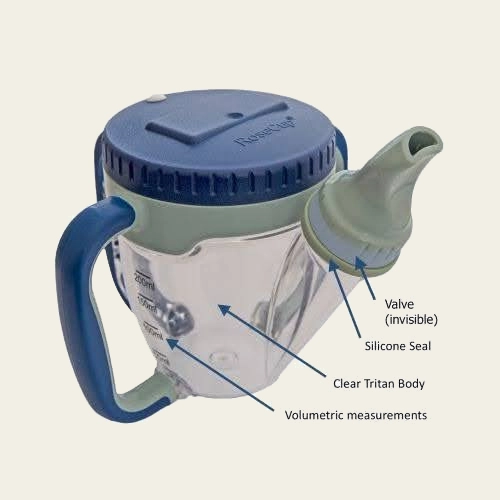

Every Speech-Language Pathologist has experienced the same clinical scenario. A comprehensive swallowing assessment is completed, an individualized liquid intake plan is developed, and the patient demonstrates success during therapy.
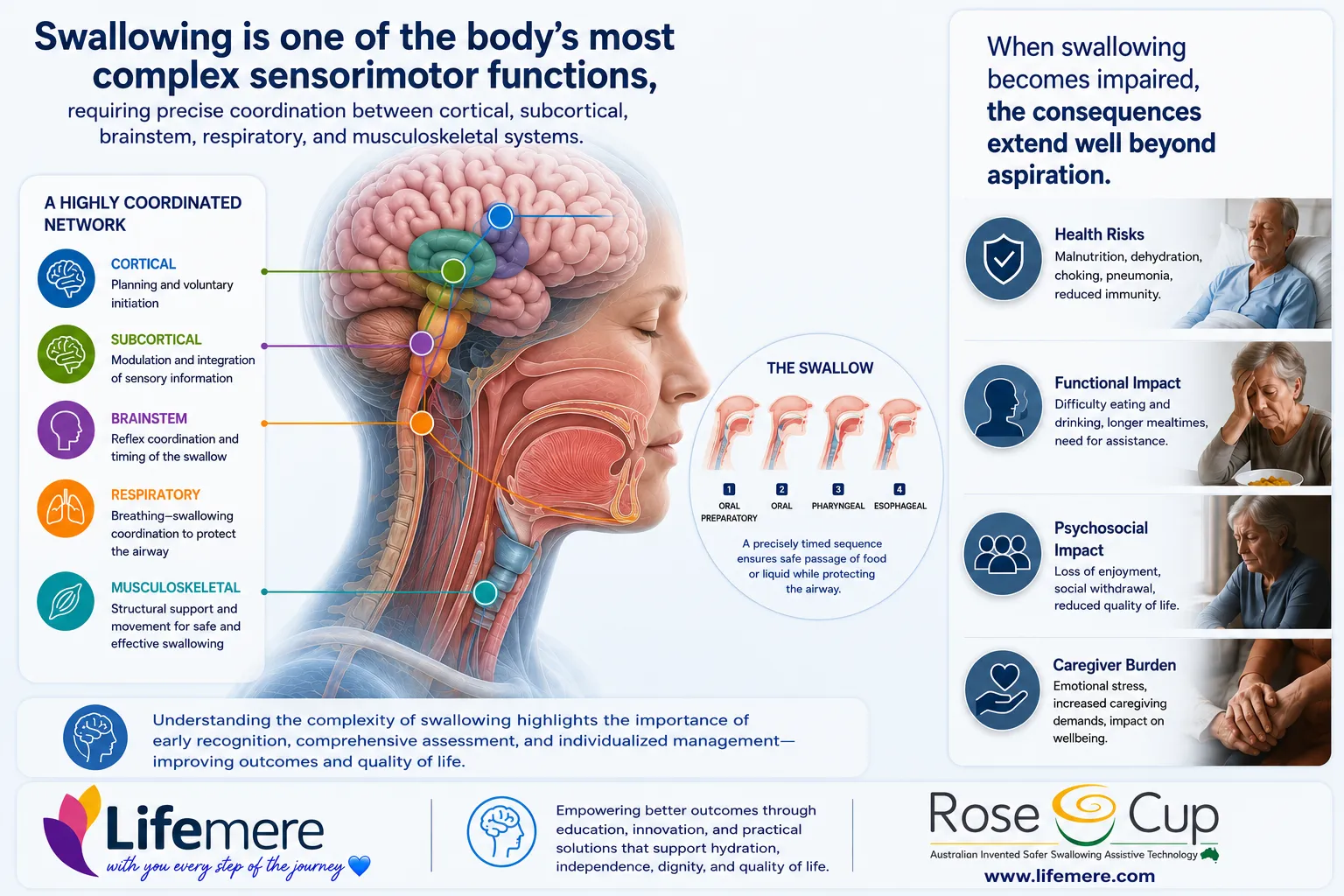
For Speech-Language Pathologists, neurologists, primary care physicians, rehabilitation professionals, and interdisciplinary healthcare teams, dysphagia management extends well beyond the swallowing assessment.
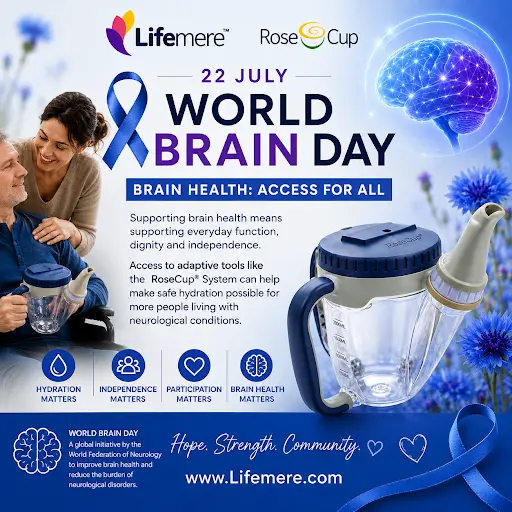
Every July 22, World Brain Day, led by the World Federation of Neurology (WFN), brings global attention to neurological disorders and the importance of improving brain health across the lifespan. The 2026 theme, "Brain Health: Access for All," calls on healthcare professionals, policymakers, researchers, and advocacy organizations to reduce barriers to neurological care, improve early diagnosis, and ensure equitable access to interventions that enhance everyday function.
For Speech-Language Pathologists, neurologists, primary care physicians, rehabilitation professionals, and interdisciplinary healthcare teams, dysphagia management extends well beyond the swallowing assessment.

Disability Pride Month serves as an opportunity to recognize disability not as something to be overcome, but as an integral part of human diversity.
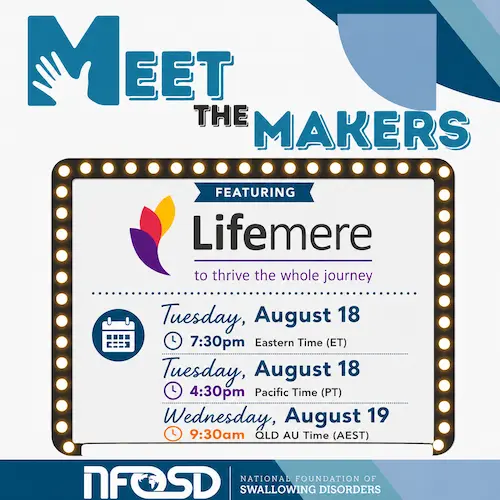
Throughout National Swallowing Disorders Month, organizations across the healthcare community worked to increase public understanding of dysphagia through education, advocacy, and community engagement. Lifemere was proud to support the National Foundation of Swallowing Disorders (NFOSD) as a sponsor of its interactive GERDLE campaign.
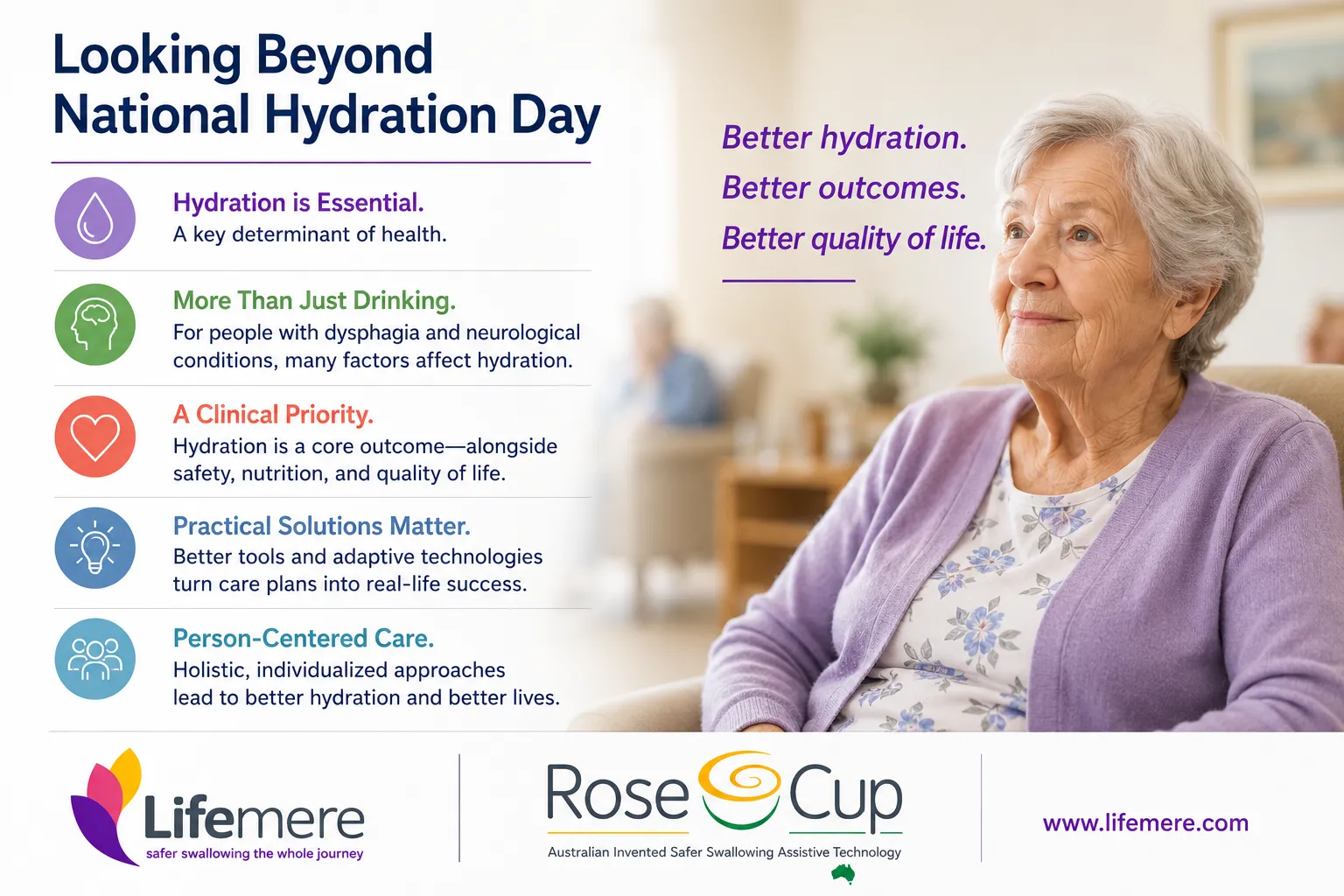
Although June 23 is officially observed as National Hydration Day in the United States, it serves as a powerful reminder of a global health challenge: the millions of people worldwide living with swallowing difficulties (dysphagia), for whom maintaining safe hydration is an everyday struggle.
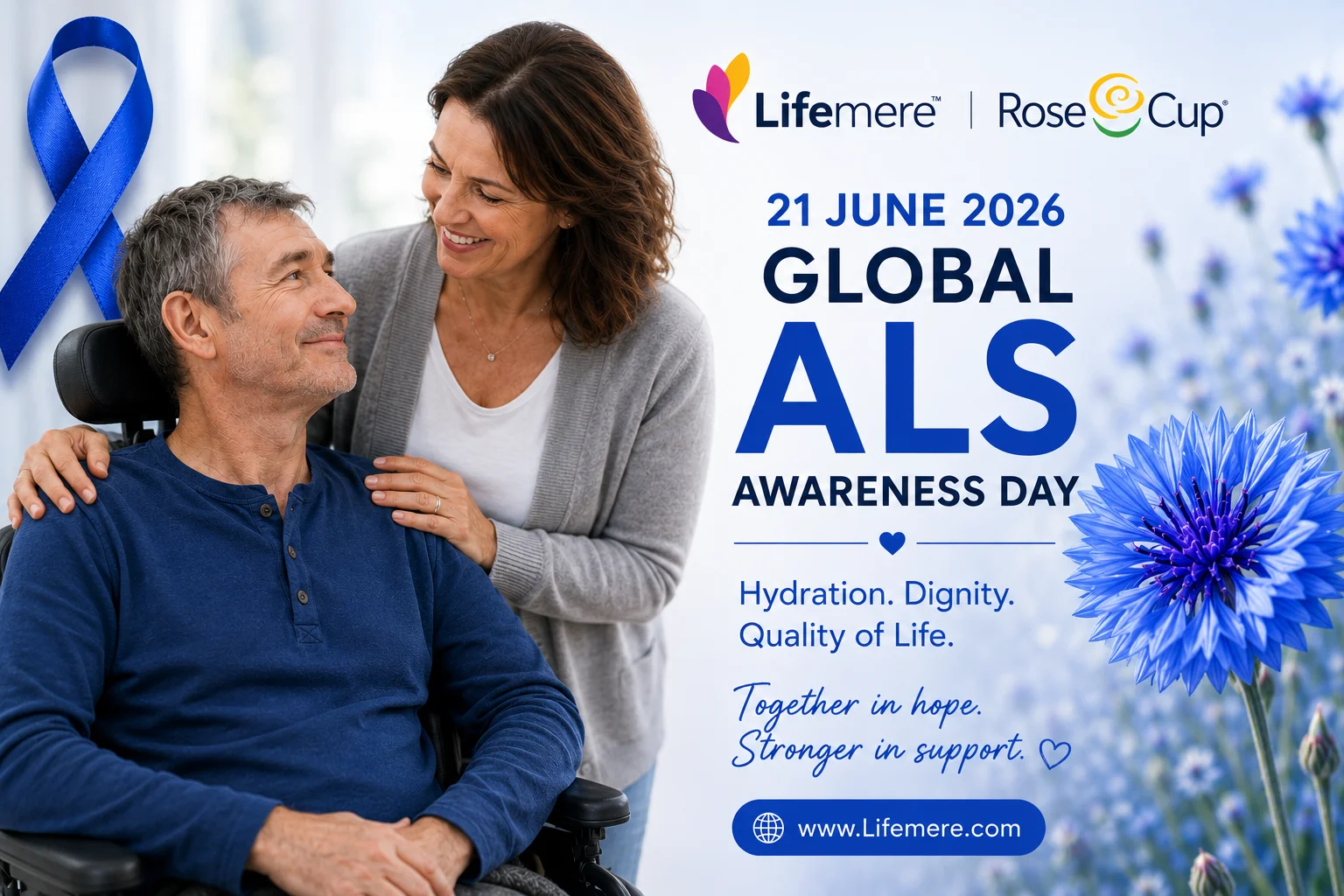
ALS Global Awareness Day, observed annually on June 21, serves as an important opportunity to recognize the profound challenges faced by individuals living with Amyotrophic Lateral Sclerosis (ALS) and the clinicians, caregivers, and researchers working to improve outcomes across the disease continuum.

As Alzheimer's & Brain Awareness Month encourages healthcare professionals to reflect on the broad impacts of neurodegenerative disease, dysphagia deserves greater recognition within the conversation.

National Nursing Assistants Week, observed in the USA annually from June 11-17, recognizes the extraordinary contributions of Certified Nursing Assistants (CNAs), nursing assistants, home health aides, and patient care technicians across healthcare settings.
June is officially recognized as National Dysphagia Awareness Month in the United States, an initiative supported by organizations including the Dysphagia Research Society and the American Speech-Language-Hearing Association (ASHA).
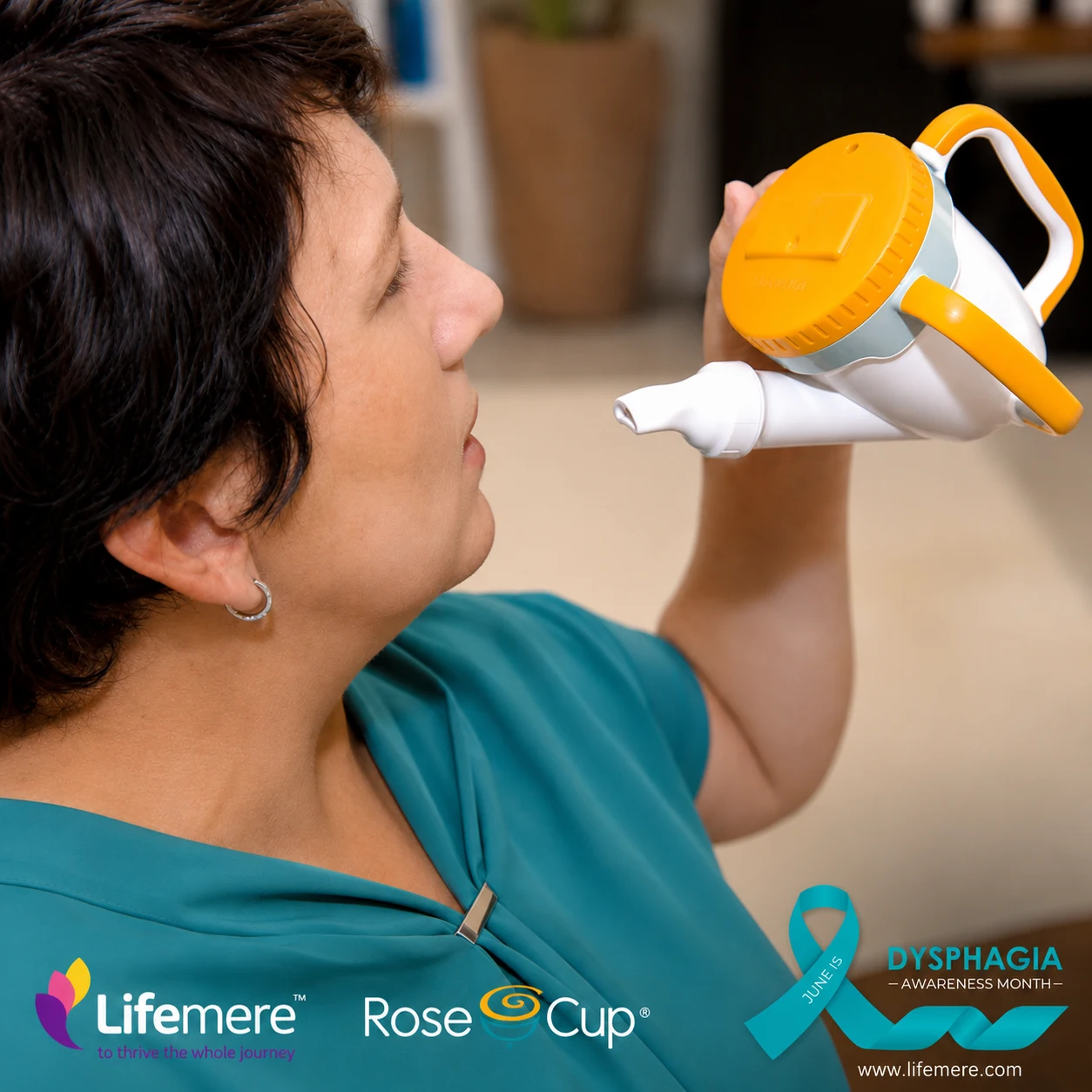
June serves as both Dysphagia Awareness Month and a time of increased awareness for people living with progressive neurological diseases, including ALS (Amyotrophic Lateral Sclerosis) in Canada and Motor Neurone Disease (MND) throughout Australia, the United Kingdom, New Zealand, and many other regions worldwide.
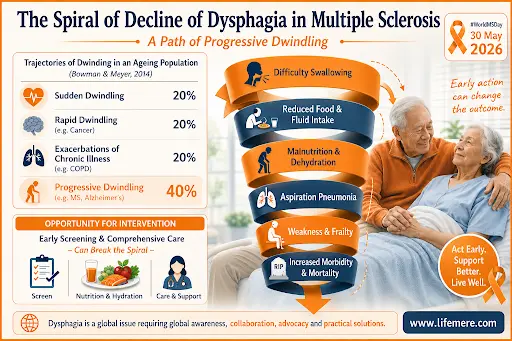
Each year on May 30, International MS Day brings together patients, caregivers, advocacy organizations, clinicians, and researchers worldwide to raise awareness of Multiple Sclerosis (MS) and its far-reaching impact on daily life.

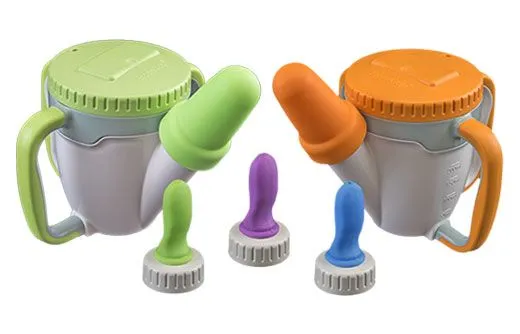
During a recent visit to the Dysphagia Unit of Prof Pere Clavé in Barcelona (using the RoseCup system in Dysphagia treatment and research) Lifemere was asked to design special attachments for the RoseCup system to specifically address the feeding challenges in Cerebral Palsy.
After nearly seven years of developing the RoseCup, we (Dr Gabriel Roux, Hannelie Roux and the team) are excited about the opportunities that lie ahead thanks to the Palaszczuk Government’s Advance Queensland Ignite Ideas funding.

In our rapidly ageing population already around one million Australians have a swallowing difficulty, also known as dysphagia.

“Doc you know, dad was one of the top bank managers in the state and just look at him now! And mum was always at his side, cheerful and energetic. And look at the two of them - just a shade of what they have been.

A message to all Carers requesting for assistance with the early diagnosis of Dysphagia.
Dr Roux explains some of the various mechanisms involved in swallowing difficulties, the use of thickened fluids for dysphagia treatment and devices that assist swallowing.
The Early Diagnosis of Dysphagia is important - this help to prevent complications and allow early rehabilitation.
This video covers the importance of serving foods that has visual appealing and tips and simple improvements to the standard runny puree foods.
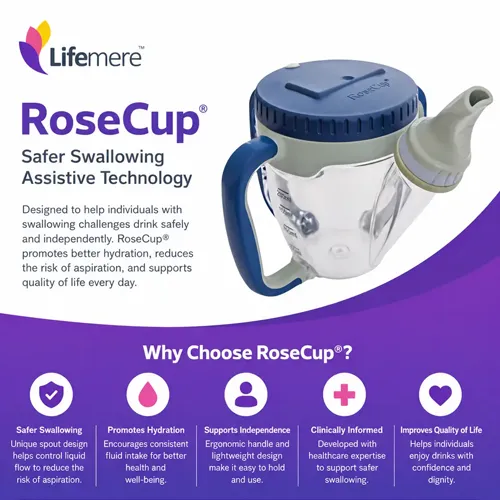
RoseCup has been designed to assist with access to nutrition and hydration for anyone struggling with feeding and swallowing or who has been diagnosed with dysphagia.
Dr. Roux explains how to care for people with swallowing difficulties or Dysphagia.
